Highlights from the British Atherosclerosis Society Summer School 2025: Cutting-edge Basic and Translational Methods in Cardiovascular Research
Danila Gurgone1,2
1 School of Cardiovascular and Metabolic Health, College of Medical, Veterinary and Life Sciences, University of Glasgow, Glasgow, United Kingdom.
2 School of Infection & Immunity, College of Medical, Veterinary and Life Sciences, University of Glasgow, Glasgow, United Kingdom.
The British Atherosclerosis Society (BAS) Summer School 2025 marked the inaugural event of its kind, organised by the Society to equip early career researchers (ECR) with essential practical skills for contemporary cardiovascular research. This important initiative was made possible thanks to the generous support of the Lennard Family Donation, a meaningful reminder of the many lives lost to cardiovascular disease and the lasting impact of those who continue to shape the future of cardiovascular science in their memory. Additional support from the Dr French Foundation further strengthened this initiative, providing a unique opportunity to bridge theoretical understanding with hands-on experience. We also gratefully acknowledge our sponsor, Novogene, for their valued contribution.
Hosted on the 2nd and 3rd of May 2025 at the University of Glasgow’s Advanced Research Centre (ARC), a hub of research innovation and collaboration, the venue provided the ideal setting to inspire cutting-edge scientific thinking.
The Summer School was officially opened by the BAS Chair, Professor Tomasz Guzik (University of Edinburgh), who warmly welcomed our twenty-three ECR from across the United Kingdom (UK) and beyond. Participants joined us from institutions including the Universities of Birmingham, Cambridge, Edinburgh, Glasgow, Leeds, Oxford, Sheffield, and Witwatersrand, reflecting the Society’s commitment to nurturing excellence and fostering collaboration across borders.
An outstanding programme was assembled, featuring ECR speakers from some of the UK’s leading cardiovascular laboratories, including the groups of Professor Pasquale Maffia (University of Glasgow), Professor Claudia Monaco (University of Oxford), Dr Helle Jørgensen (University of Cambridge), and Professor Manuel Mayr (Imperial College London). Together, they covered atherosclerosis research from fundamental concepts to cutting-edge methodologies such as Cytometry by Time-of-Flight (CyTOF) and multi-omics approaches.
The first day began with Dr Danila Gurgone (University of Glasgow, BAS Young Scientist Community Member, and BAS Summer School coordinator), who introduced the key challenges of studying atherosclerosis and how the field has evolved from early discoveries to current translational approaches. She provided an overview of preclinical models and essential criteria for designing high-quality experimental research. This was followed by a practical session on basic histological quantification of atherosclerotic plaques, led by Dr Mohsen Shoaran (University of Glasgow).
In the afternoon, Dr Jennifer Cole (University of Oxford) presented on CyTOF, a powerful mass cytometry technique increasingly applied in cardiovascular research. She clearly outlined both the opportunities and limitations of the method, illustrating its value in identifying mechanistic pathways and potential therapeutic targets.
On the second day, Dr Jordi Lambert (University of Cambridge) introduced participants to genomic analyses in atherosclerosis, focusing on genetic determinants and gene regulation. Attendees explored and practised core techniques for single-cell RNA sequencing (scRNA-seq) analysis.
Continuing the omics focus, Lukas Schmidt (University of Vienna, Austria) delivered a comprehensive session on mass spectrometry-based proteomics. He provided clear, practical guidance on applying proteomic analysis in cardiovascular research, highlighting how deep protein profiling can uncover disease mechanisms and potential biomarkers.
In the closing session, Professor Pasquale Maffia (University of Glasgow, BAS Committee Member, and BAS Summer School coordinator) and Professor Charalambos Antoniades (University of Oxford, and BAS Committee Member) reaffirmed the Society’s dedication to supporting the next generation of cardiovascular researchers and to cultivating a collaborative, forward-thinking research community.
To highlight a few moments


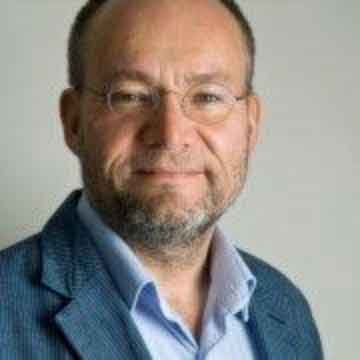
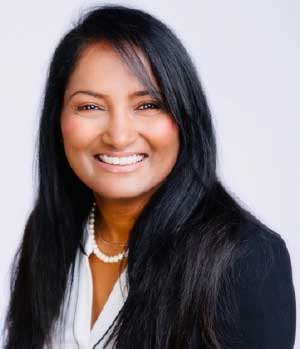
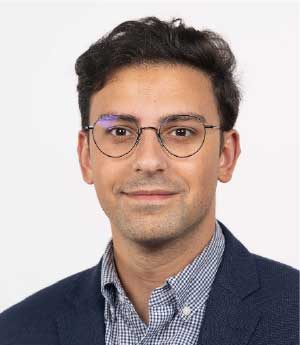
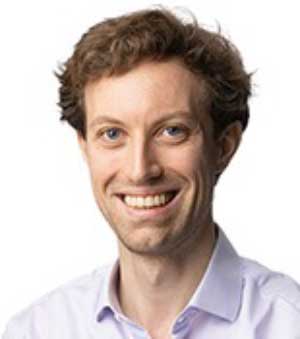
Speaker profiles:
Dr Danila Gurgone
Dr Mohsen Shoaran
Dr Jennifer Cole
Dr Jordi Lambert
Lukas Schmidt
The event was actively promoted throughout via the BAS official social media channels of:
Twitter/X: @britathsoc
BlueSky: @britathsoc.bsky.social
LinkedIn: @BAS YSC
We thank all our speakers, participants, and supporters for making the first BAS Summer School 2025 a success.