
The annual joint BAS/BSCR meeting will be held on Monday 1 – Tuesday 2 June 2026.
For more information please visit the Joint BAS/BSCR meeting page
Joint BAS/BSCR meeting 2026

The British Atherosclerosis Society
Promoting atherosclerosis research in the UK.
The British Atherosclerosis Society
Promoting atherosclerosis research in the UK.
The annual joint BAS/BSCR meeting will be held on Monday 1 – Tuesday 2 June 2026.
For more information please visit the Joint BAS/BSCR meeting page
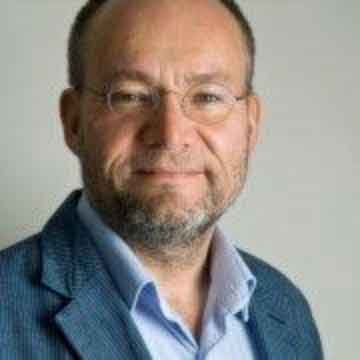
Prof Johan Frostegård
MD, PHD
Professor of Medicine, senior consultant
Karolinska Institutet
IMM
Stockholm, Sweden
Prof Johan Frostegård is a researcher focusing on immunity and its role in cardiovascular disease (CVD) and atherosclerosis. A particular clinical interest is the association between rheumatic diseases, especially systemic lupus erythematosus (SLE), atherosclerosis, and CVD.
His experimental research investigates the role of oxidized lipids in immune reactions related to atherosclerosis, an inflammatory disease, and how these processes may be counteracted. Our group has proposed the hypothesis that low levels of natural antibodies against phosphorylcholine (anti-PC) are independently associated with an increased risk of CVD and atherosclerosis, including in rheumatic disease. His team also demonstrated anti-inflammatory and immunomodulatory properties of anti-PC that may help explain these associations.
A long-term goal is to prevent CVD through immunization strategies using phosphorylcholine to increase anti-PC levels. Another therapeutic approach developed from our laboratory findings involves Annexin A5, which may form a protective shield against inflammatory lipid effects in vascular inflammation, including atherosclerosis and its complications.
Johan has been Professor of Medicine at Karolinska Institutet for more than 20 years and am also a senior consultant in internal medicine and rheumatology. In addition to his academic and clinical work, he is an active as a writer in several literary genres.
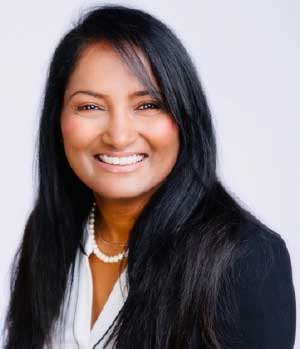
Vijay Kunadian
Professor Kunadian is Professor of Interventional Cardiology and Cardiovascular Medicine at Newcastle University and Honorary Academic Consultant Interventional Cardiologist at Freeman Hospital, Newcastle upon Tyne, UK. An internationally recognised leader in interventional cardiology and cardiovascular research, her work focuses on improving outcomes for under-served patient groups, particularly older adults and women with heart disease. She leads major national and international clinical trials and has published more than 260 peer-reviewed papers in leading medical journals. Professor Kunadian is National Cardiovascular Specialty Group Lead for the UK NIHR Research Delivery Network and Co-leads the NIHR Cardiovascular Disease Inequalities Consortium. She has held numerous leadership roles with the British Cardiovascular Intervention Society and the European Society of Cardiology. Alongside her clinical and research leadership, she is committed to developing the next generation of clinical academics, having mentored more than 40 postgraduate researchers and NIHR fellows. She has received multiple national awards recognising her contributions to cardiovascular research, clinical excellence, and improving care for patients with heart disease.
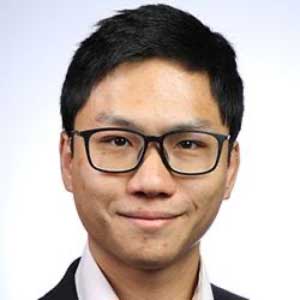
Kenneth Chan
Kenneth Chan is a Clinical Research Fellow in cardiology supported by the British Heart Foundation. His research focuses on non-invasive imaging of the heart, vessels and fat tissue using Computed Tomography (CT) scans. He also manages the international collaboration and analysis of health information from >200,000 patients in the Oxford Risk Factors and Non-Invasive imaging (ORFAN) study. Using machine learning techniques, he aims to extract the hidden prognostic information from routinely performed imaging tests beyond their current diagnostic role, in order to understand, treat and prevent cardiovascular disease.
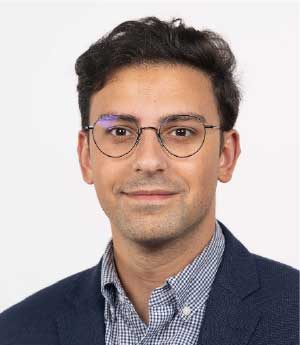
Moustafa Morsy
Moustafa Morsy is a PhD researcher in Cardiovascular Immunology at the University of Glasgow, working under the supervision of Professor Pasquale Maffia, an internationally recognised leader in vascular immunology and inflammation. As a member of the Maffia Lab within the School of Infection & Immunity, University of Glasgow, Moustafa investigates how immune and inflammatory pathways contribute to cardiovascular diseases, including hypertension, stroke, and heart failure. His research integrates epidemiology, multi‑omics, and mechanistic immunology to identify inflammatory biomarkers and pathways that shape cardiovascular risk across diverse populations. Alongside his scientific work, Moustafa is actively involved in global health collaboration, contributing to research partnerships with institutions across Sub‑Saharan Africa to address the rising burden of non‑communicable diseases.
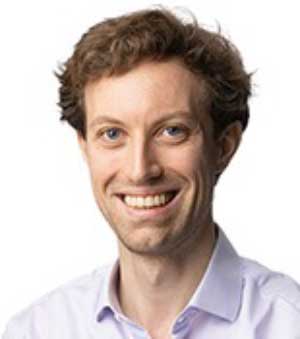
Markus Körbel
Markus Körbel is an EIPOD Postdoctoral Fellow at European Molecular Biology Laboratory (EMBL Heidelberg), where he works jointly with the Prevedel and Diz-Muñoz groups. His current research focuses on investigating tissue mechanics using advanced biophysical approaches, including Brillouin microscopy and atomic force microscopy (AFM). He completed his PhD at the University of Cambridge and subsequently undertook postdoctoral research at the Francis Crick Institute. Across his research career, he has developed extensive expertise in advanced fluorescence microscopy, spanning applications from single-molecule imaging to 3D tissue systems, alongside custom image analysis workflows. His work has contributed to research in immunology, angiogenesis, tissue dynamics, and cell-cell communication.

Prof Matthias Nahrendorf
MD PhD
Professor
Harvard Medical School, Mass General Brigham
Center for Systems Biology
Boston
USA
Matthias Nahrendorf, MD PhD, is the Richard Moerschner MGB Research Institute Endowed Chair, a Professor for Radiology at Harvard Medical School, a Principal Investigator at the Center for Systems Biology and adjunct Professor of Medicine at the Julius-Maximilians-Universität Würzburg. He directs the MGB Center for Inflammation Imaging together with Dr. Libby. His laboratory focuses on the role of immunity and hematopoiesis in cardiovascular disease, specifically in atherosclerosis, heart failure, arrhythmia and stroke. Dr. Nahrendorf is the Editor-in-Chief of JACC: BTS, where he champions fast, friendly and fair peer review. He was the Chair of the 2017 Atherosclerosis Gordon Conference and serves on the NHLBI board of external experts. He published >300 articles with an H-index >130. Dr Nahrendorf received the MGH Research Scholar Prize in 2014, the Basic Research Award of the German Society of Cardiology in 2015 and the MGH Martin Prize in 2019.

Dr. Alastair Moss
PhD MRCP
Executive Medical Director
AstraZeneca
Early Cardiovascular, Renal and Metabolism Research and Development
Cambridge
UK
Dr Alastair Moss is a physician-scientist specialising in translational cardiovascular medicine and early-phase drug development. He is an Executive Medical Director at AstraZeneca, leading translational science and experimental medicine to accelerate the path from mechanistic insight to patient impact. He drives the design and delivery of first-in-human and proof-of-mechanism studies by aligning human biology, clinical pharmacology and operational execution to generate clear, decision-ready evidence. His research centres on developing and validating biomarkers that de-risk drug development, with particular expertise in advanced cardiovascular imaging (CT, MRI and PET) integrated with circulating biomarker strategies to quantify target engagement and pathway modulation in humans.
Prior to industry, he held clinical academic appointments across leading UK centres, building deep capability in multimodality imaging and clinical research delivery. He is recognised as a highly collaborative investigator, establishing productive academic partnerships and multidisciplinary teams to solve complex translational problems. With an extensive publication record in cardiovascular imaging and atherosclerosis, including molecular imaging of plaque activity and risk prediction, he is motivated by outcomes—advancing projects efficiently and rigorously to deliver better medicines to patients.

Prof Audrey Gérard
Professor
University of Oxford
The Kennedy Institute
Oxford
UK
Audrey Gérard is a Professor of Immunology at the Kennedy Trust of Rheumatology Research, University of Oxford.
Her previous research focused on the characterization of relevant cellular and molecular events regulating the initiation of immune responses. Audrey completed her Ph.D. under the supervision of Jacques Nunes and Daniel Olive at the University of the Mediterranean, Marseille, France, focusing on the negative regulation of primary and leukemic T cell activation. She undertook postdoctoral training at the Netherlands Cancer Institute in Amsterdam with John Collard, where she studied polarity proteins and T cell migration.
Audrey then moved on to the laboratory of Matthew Krummel at UCSF, San Francisco, USA, where she continued to work on the molecular mechanism of T cell migration in vivo using 2-photon microscopy. In addition, Audrey developed a broader interest in the spatio-temporal behaviour of T cells during infection, vaccination and cancer. She joined the Kennedy Institute in June 2016, where she is still exploring the dynamic of T cell immune responses, with an emphasis on immune responses in cancer. At Kennedy she is currently interested in illuminating the immune remodelling that occurs during tumour escape and cancer immunotherapies. In addition, at Kennedy they are interested in the immune crosstalk between cancer and associated co-morbidities, such as CVD.

Dr Amanda Foks
PhD
Associate Professor
LACDR, Leiden University
BioTherapeutics
Leiden
The Netherlands
Associate Professor dr. Amanda Foks leads her own research group at the division of BioTherapeutics at the Leiden Academic Centre for Drug Research (LACDR, Leiden University). She has a long-standing interest in the role of adaptive immune cells in CVD and has expertise in both human and animal atherosclerosis studies, single-cell immunophenotyping of T- and B cells, and therapeutic modulation of adaptive immunity. Her team is dedicated to gain mechanistic insights into atherosclerosis development, identification of age-associated inflammatory biomarkers and the development of novel anti-inflammatory interventions to treat atherosclerotic cardiovascular disease. Amanda Foks received her PhD in ‘Regulation of immune responses in atherosclerosis’ at Leiden University in 2013 and continued her research into immune checkpoint modulation as postdoctoral researcher in the laboratory of Prof.dr. Andrew Lichtman at Harvard Medical School/Brigham and Women’s Hospital in Boston, USA. Since 2019 she is appointed as Principal Investigator at Leiden University, supported by national funding from the Dutch Heart Foundation, Dutch Research Councils (NWO, ZonMw) and international funding including the EIC Pathfinder (‘B-specific’), ERA-CVD ‘B-eatATHERO’, Leducq Foundation ‘CHECKPOINT-ATHERO’, ERA4Health ‘MARGINALIZE-MI’, and the International Cardiovascular Research Partnership Award ‘Treat-ATHERO’.

Prof Keith Channon
MD, FRCP
Professor of Cardiovascular Medicine
University of Oxford
Radcliffe Department of Medicine
Oxford
UK
Professor Channon is the Field Marshal Earl Alexander Professor of Cardiovascular Medicine and Head of Radcliffe Department of Medicine at the University of Oxford. He is an Honorary Consultant Cardiologist at the John Radcliffe Hospital, Oxford. He is Director of the Oxford Academic Health Partners (OAHP) and Chairs the NIHR-BHF Cardiovascular Partnership across the major UK centres. His research group investigates the biology of cardiovascular disease and atherosclerosis, particularly using genetic models, and links these with clinical and translational research in coronary artery disease, through his leadership of the Oxford Acute Myocardial Infarction (OxAMI) Study.
Professor Channon served as Director of the National Institute for Health Research (NIHR) Oxford Biomedical Research Centre (BRC) during 2008-2018, was Deputy Head of Medical Sciences Division (Research), University of Oxford, from 2016-2021 and Director of R&D at Oxford University Hospitals from 2013-2021. He is a past Chairman of the British Atherosclerosis Society, an NIHR Emeritus Senior Investigator, and a Fellow of the Academy of Medical Sciences. He plays active roles on grant funding and other committees at the MRC, British Heart Foundation, Wellcome Trust and the British Cardiac Society.

Prof Maya H Buch
MD PhD
Professor of Rheumatology
University of Manchester, UK
Centre for Musculoskeletal Research
Manchester
UK
Maya Buch is Professor of Rheumatology, and Director of Experimental Medicine at the Centre for Musculoskeletal Research, University of Manchester. She is a NIHR Senior Investigator and at the NIHR Manchester Biomedical Research Centre, leads the ‘Advanced Diagnostics & Therapeutics Catalyst’ cluster. Her clinical and translational research programmes focus on cardiovascular pathology in immune-mediated inflammatory diseases (IMID), personalised therapeutics in rheumatoid arthritis (RA) and difficult to treat-refractory RA and systemic sclerosis (SSc).
She is Chief Investigator of the Medical Research Council–British Heart Foundation funded ‘UK Cardio-IMID Partnership’, lead on cardiac SSc as part of the UK Scleroderma Study Group and was methodology lead on the World Scleroderma Foundation-Heart Failure Association recommendations on SSc-primary heart involvement. She is Chair of the NIHR Efficacy and Mechanism Evaluation Committee.

Prof Johan Björkegren
PhD, MD, MBA
Professor in Systems Medicine
Karolinska Institutet
Medicine
Huddinge
Sweden
Focusing on cardiovascular diseases, the goal of my research is to use multi-modal big data analysis to create reliable network models of human biology and disease. Network models have enormous potential to improve our ability to predict disease risk, identify new therapeutic targets, and to monitor molecular effects of treatments. To achieve this goal, I have designed and generated a range of clinical datasets of cardiovascular disease that combine detailed clinical characteristics with imaging, genomics, epigenetics, transcriptomics, proteomics, and metabolomics.

Prof Esther Lutgens
MD, PhD
Professor of Medicine
Mayo Clinic
Cardiovascular Medicine & Immunology
Rochester, MN, USA
Dr Esther Lutgens is a vascular immunopathologist, and her laboratory is especially interested how immune checkpoints, key regulators of the immune system, mediate atherosclerosis and associated cardiometabolic diseases. After having spent the majority of the first 22 years of her scientific career in the Netherlands and Germany, she moved to the Mayo Clinic in Rochester, MN, USA in 2022 where she heads the laboratory on Experimental CardioVascular Immunology within the department of Cardiovascular Medicine.
Her laboratory has identified a crucial role for CD40-CD40L interactions in atherosclerosis and was able to target this dyad successfully and safely by developing small molecule inhibitors (SMI) against CD40-TRAF6 interactions, thereby leaving part of CD40 signaling intact. Treatment with CD40-TRAF SMIs reduced existing atherosclerosis and did not cause immune-suppressive side effects. She developed an HDL-based nanobiologic that inhibited CD40-TRAF6 interactions specifically in macrophages and were able to show that short time nanomedicinal treatment stabilized mouse plaques and was safe in non-human primates. Moreover, her laboratory identified that both CD40L and CD40 exert cell type specific functions that each affect atherosclerosis via different mechanisms. As part of the international LeDucq network of excellence “CHECKPOINT ATHERO”, of which she is the US coordinator, she is currently detailing the cell-type specific immune checkpoint network in mouse and human atherosclerosis using single cell technologies and validation studies in conditional knock-out models Knowledge on cell-type specific actions of immune checkpoints warrants cell targeted immune checkpoint-based therapeutics that attenuate atherosclerosis-specific inflammatory pathways and will cause limited immune-related side effects, an essentiality to render immunotherapy a relevant treatment modality for CVD.

Prof Ninian Lang
BSc (Hons), MBChB, PhD, FRCP, FESC
Professor of Cardiology and Cardio-Oncology
University of Glasgow
School of Cardiovascular and Metabolic Health
Glasgow, Scotland
Ninian Lang is Professor of Cardiology and Cardio-Oncology. He serves as an Honorary Consultant Cardiologist at the Queen Elizabeth University Hospital and the Beatson West of Scotland Cancer Centre. His clinical and academic work focuses on cardio-oncology and heart failure.
He runs the West of Scotland cardio-oncology service and integrates this clinical practice with an active research programme. His clinical trial and translational research in cardio-oncology relates to vascular and myocardial injury induced by established and novel anti-cancer therapies.
He is a graduate of the University of Edinburgh Medical School (BSc [Neuroscience], 1st class Hons, 1998; MBChB 2001, Annandale Gold Medal in Clinical Surgery). He was awarded the Bristol-Myers Squibb Cardiovascular Prize Fellowship to undertake his PhD research and undertook a fellowship in advanced heart failure and cardiac devices at the Scottish Advanced Heart Failure Service. He was appointed as a consultant cardiologist in 2014 before moving to a substantive position with the University of Glasgow. He is a Fellow of the Royal College of Physicians (Edinburgh) and of the European Society of Cardiology. He is an Associate Editor of JACC:CardioOncology and leads the NIHR BHF Partnership in Cardio-Oncology.

Prof Lotte Bjerre Knudsen
DMSc
Honorary Professor, Aarhus University
Currently self-employed
Denmark
Lotte Bjerre Knudsen is an Honorary Professor in Translational Medicine at Aarhus University, Denmark. She holds a degree in biotechnology from the Technical University, and a Doctoral Degree in Scientific Medicine from the University of Copenhagen, both in Denmark. Lotte Bjerre Knudsen is a former employee of Novo Nordisk (1989-2026); she was last the Chief Scientific Advisor for Research & Development at Novo Nordisk. Lotte has deep experience in drug discovery and development. Her work has evolved much around GLP-1 based medicines and she has been involved from early ideation back in the 1990s where she led the first program on a long-acting GLP-1 medicine, to recent work detailing mechanisms for these medicines in rodents and people with disease. She has been part of representing Novo Nordisk in five FDA Advisory committees. Lotte has received numerous awards for the work on GLP-1 medicines. Most recently, she was the recipient of the 2023 Paul Langerhans Award from the German Diabetes Association, the 2024 Science and American Association for Advancement of Science Mani L. Bhaumik Breakthrough of the Year Award (with Richard DiMarchi), the 2024 Lasker-DeBakey Clinical Medical Research Award (with Joel Habener and Svetlana Mojsov), and the 2025 Breakthrough Prize in Life Sciences (with Daniel Drucker, Joel Habener, Jens Juul Holst, and Svetlana Mojsov). She has received Lifetime Achievement Awards from Novo Nordisk, the Danish Biotech Association and Stanford University, and is a 2026 co-recipient of the University of Edinburgh Cameron Prize for therapeutics (with Jesper Lau and Thomas Kruse). She has published extensively throughout her career, with many papers around mechanisms for GLP-1 based medicines in diabetes, obesity, and cardiovascular, kidney and liver disease. Her interest also includes important methodology in drug target expression, drug discovery in general and use of AI in drug discovery. In summary, Lotte Bjerre Knudsen’s contributions exemplify successful translational research, bridging basic discovery to transformative therapies for metabolic and related diseases.

Prof Robin Choudhury
Professor Cardiovascular Medicine
University of Oxford, University of Oxford,
RDM Division Cardiovascular Medicine
Oxford, UK
Robin Choudhury is Professor of Cardiovascular Medicine at the University of Oxford; Consultant Cardiologist to the John Radcliffe Hospital and Research Fellow in Biomedical Sciences at Balliol. He is an Affiliated Researcher at the Institute of Regenerative Medicine.
He is co-PI of of the NovoNordisk Foundation supported Metabolite-related inflammation and disease (MeRIAD) consortium; Joint clinical lead in the MRC-BHF Centre of Research Excellence in Advanced Cardiac Therapies (REACT) and UK Chief Investigator for the ZEUS clinical trial of Ziltivekimab.
His translational science laboratory aims to understand how cells of the innate immune system are involved in processes of tissue homeostasis, injury and repair. Areas of particular interest focus around: (1) understanding the role of monocytes, macrophages and neutrophils in acute myocardial infarction; myocardial regeneration vs repair and in atherosclerosis and (2) how bone marrow stem cells are ‘programmed’ e.g. by extracellular vesicles and through by genetic / epigenetic and metabolic mechanisms. The laboratory has a particular interest in hyperglycaemia-induced trained immunity.
Professor Choudhury has a specialist clinical interest in coronary artery disease and its management. He has particular expertise in the assessment and optimisation of cardiovascular risk factors and their interactions (e.g. cholesterol; diabetes; ‘inflammation’ and genetic risk).

Miss Alice Bradford
3rd Year PhD Student
University of East Anglia / Royal Veterinary College
Chemistry, Pharmacy, and Pharmacology
Norwich, UK
Alice Bradford is a third year PhD candidate researching vascular smooth muscle cell (VSMC) biology in the context of aortic health and disease. She holds a BSc in Biomedicine and works at the interface of computational biology and molecular cardiovascular research. Her work uses large-scale transcriptomic and proteomic datasets to investigate how cellular diversity emerges within the vascular wall and how it changes in cardiovascular disease. By focusing on shared biological programs across datasets and experimental systems, she aims to develop clearer frameworks for interpreting smooth muscle cell diversity and improving the analysis of complex cardiovascular data.

Dr Yingjuan Liu
Research Associate
University of Manchester
Division of Cardiovascular Sciences, FBMH
Manchester, UK
Dr Yingjuan Liu is a Research Associate in Cardiovascular Sciences at the University of Manchester. She qualified in preventive medicine and completed her Master’s degree in Toxicology at Peking University in 2014. She subsequently moved to Manchester to undertake her PhD on the population and molecular genetic basis of congenital heart disease (CHD), working with Professor Bernard Keavney, and has continued in her current role since. Her research focuses on human pluripotent stem cell–derived 2D and 3D cardiac models to study CHD mechanisms and early human cardiac development. She develops and applies 3D cardiac organoid systems, integrating CRISPR-based approaches and transcriptomic profiling, to dissect disease mechanisms and inform preventive strategies.

Dr Jasmeet Reyat
Senior Postdoctoral Research Associate
University of Oxford
MRC Weatherall Institute of Molecular Medicine
Oxford, UK
Dr Jasmeet Reyat is cardiovascular researcher at the MRC Weatherall Institute of Molecular Medicine at the University of Oxford. His research focuses on developing bioengineered models to understand human cardiac physiology and disease. Following the completion of his PhD and initial post-doc years that focused on immune cell tissue interactions in cardiovascular disease and cancer, he joined the lab of Professor Barbara Casadei at the University of Oxford. Here he developed a multi-organoid co-culture system to look at immune cells derived from bone-marrow organoids and their interactions with cardiac organoids. Building on this work, his interests are in how emerging human model systems can be leveraged to study the role of immune cells in inflammation and metabolic dysfunction in cardiac injury and regeneration.

Dr Teresa Tropea
MRC CDA Research Fellow
Maternal and Fetal Health Research Centre; University of Manchester
School of Medical Sciences; Faculty of Biology, Medicine & Health
Manchester, UK
Dr Teresa Tropea is a Research Fellow at the Maternal and Fetal Health Research Centre, at the University of Manchester. Her work focuses on placental physiology and materno-placental interactions that determine fetal growth and fetal outcomes in pregnancies complicated by maternal cardiovascular disorders.
During her doctoral and postdoctoral studies, she investigated maternal vascular signalling, the effects of maternal dietary constituents (nitrate and polyphenols) and antihypertensive therapies on fetal development, in high-risk pregnancies.
Currently, she leads integrative research aiming at generating pharmacological evidence underpinning the use of cardioprotective medications in clinical practice, to improve maternal and fetal wellbeing in pregnancies complicated by maternal cardiovascular dysfunction.

Dr Simon Tual-Chalot
Senior Research Associate
Newcastle University
Biosciences Institute
Newcastle, UK
Dr Simon Tual-Chalot earned his PhD in Cardiovascular Physiology from the University of Angers, France, in 2011, where he identified extracellular vesicles as key drivers of endothelial dysfunction in hypoxia-related diseases. He joined Newcastle University in 2012 on a Marie Curie Intra-European Fellowship, studying the cardioprotective role of endoglin. In 2015, he became joint investigator on a BHF grant and received a Young Investigator Award from Cure HHT. From 2018 to 2023, he worked in the Stellos lab on RNA-based endothelial mechanisms. In 2024, he started his own group, funded by the BHF and the Royal Society, studying the epitranscriptomic control of endothelial function during vascular ageing.
Professor Chris P Gale
Consultant Cardiologist
University of Leeds
Leeds Institute of Cardiovascular and Metabolic Medicine
Leeds, UK
Chris P Gale, Professor of Cardiovascular Medicine, Honorary Consultant Cardiologist and Co-Director of the Leeds Institute for Data Analytics at the University of Leeds and Leeds Teaching Hospitals NHS Trust.

Prof Wisia Wedzicha
Professor of Respiratory Medicine
Head of the Respiratory Division
National Heart and Lung Institute
Imperial College
ondon, UK
Wisia Wedzicha is Professor of Respiratory Medicine, Head of the Respiratory Division at the National Heart and Lung Institute, Imperial College, Clinical Consul at Imperial College and Honorary Consultant at Royal Brompton and Harefield Hospitals. She qualified from Somerville College, Oxford University and St Bartholomew’s Hospital Medical College. She was elected as Fellow of the Academy of Medical Sciences (FMedSci) and is a fellow both of the American Thoracic Society (ATSF) and European Respiratory Society (FERS). She received the Helmholtz International Fellow Award in 2014.
Professor Wedzicha has a major interest in the causes, mechanisms, impact and prevention of chronic obstructive pulmonary disease (COPD) exacerbations; in the role of bacterial and viral infection in COPD exacerbations. She directs an active research group to study COPD exacerbations and has published extensively on these topic. She also directs the multi-centre British Early COPD Cohort (BEACON) designed to study the trajectory of the early stages of COPD.
Professor Wedzicha was Editor-in-Chief of Thorax from 2002 to 2010 and till March 2022 the Editor in Chief for the American Journal of Respiratory and Critical Care Medicine. She was the Lancet Ombudsman till 2014, Publications Director for the European Respiratory Society (ERS) and has also previously been ERS Guidelines Director. She is a member of the GOLD Scientific Committee.

Dr Catherine Wilson
Associate Professor
University of Cambridge
Gurdon Institute/Department of pharmacology
Cambridge, UK
Catherine Wilson is as an Associate Professor within the University of Cambridge’s Department of Pharmacology and the Gurdon Institute. Her academic career began with a PhD from the Institute of Medical Genetics at Cardiff University, followed by pivotal post-doctoral roles at the Wellcome Trust Sanger Institute and the University of Cambridge’s Department of Biochemistry. Dr. Wilson’s research is positioned at the intersection of cancer biology and regenerative medicine, investigating how genes that drive uncontrolled growth in cancer can be harnessed to promote tissue repair. Her group employs a sophisticated suite of cutting-edge technologies and complex cell models. Her vision is to pioneer transformative, mRNA-based regenerative therapies to address the global burden of heart failure and create new treatment strategies for hard-to-treat cancers.

Dr Jakub Tomek
Sir Henry Wellcome Fellow
University of Oxford
Department of Physiology, Anatomy and Genetics
Oxford, UK
Jakub Tomek is a Sir Henry Wellcome Fellow at the University of Oxford, combining computational and experimental approaches to investigate the mechanisms underlying cardiac arrhythmias. His work centres on developing advanced computational models of human cardiac myocytes that integrate electrophysiology, contraction, and intracellular signalling, providing powerful platforms for both academic research and industrial application. Current research focuses on arrhythmia mechanisms in Type 2 diabetes, myocardial ischemia, and haemorrhagic shock. He is the author of Basic Statistics for Life Scientists: A Concise Handbook of Essential Techniques, together with Prof. David Eisner of Manchester.

Prof Alex Rothman
Cardiologist
Sheffield Teaching Hospitals NHSFT and The University of Sheffield
Sheffield, UK
Alex Rothman is a cardiologist and translational researcher in Sheffield, working in the area of pulmonary hypertension and heart failure. Developments from the lab have led to new therapies and approved medical devices.

Dr Ify Mordi
British Heart Foundation Intermediate Clinical Research Fellow and Consultant Cardiologist
University of Dundee
Division of Cardiovascular Research, Faculty of Health
Dundee, UK
Ify Mordi is a BHF Intermediate Clinical Research Fellow and Consultant Cardiologist at the University of Dundee. His research is driven by his clinical practice and includes finding novel methods to understand cardiovascular disease and improve detection and treatment for the patients he encounters in everyday care. He has a particular interest in heart failure, complications of diabetes and cardiovascular imaging. In 2025 he was selected to join the World Heart Federation Emerging Leaders Programme focused on AI in cardiovascular disease.

Dr Chris Hughes
Head of School
Keele University
Computer Science and Mathematics
Keele, UK
Chris J. Hughes is Head of the School of Computer Science and Mathematics at Keele University. His research focuses on computer science, immersive media, and accessibility. Previously he served as Interim Deputy Dean in the School of Science, Engineering and Environment at the University of Salford. Earlier roles include research positions at Bangor University and BBC Research & Development, where he worked on projects including medical simulation, virtual environments, and responsive subtitle technologies. He has contributed to major international initiatives such as the EU H2020 Immersive Accessibility project and COST Action LEAD-ME, exploring how accessibility services can be integrated into emerging immersive technologies.

Prof Costanza Emanueli
Chair of Cardiovascular Science
Imperial College
National Heart & Lung Institute
London, UK
Costanza Emanueli is Chair of Cardiovascular Science at Imperial College London and Co-Director of the Imperial British Heart Foundation (BHF) Centre of Research Excellence. An internationally recognised leader in cardiovascular RNA biology and regenerative medicine, her research focuses on understanding and therapeutically targeting microvascular dysfunction in ischemic and cardiometabolic diseases.
She trained in Italy and the United States before moving to the UK in 2005, where she has been continuously supported by the BHF as Lecturer, Senior Research Fellow and subsequently BHF Professor of Cardiovascular Science from 2015 to 2026. She was previously Professor of Vascular Pathology and Regeneration at the University of Bristol. In 2018, she moved to Imperial College London, bringing her BHF Chair to establish and expand her research programme.
Her laboratory integrates studies of human clinical samples, advanced transcriptomics and experimental models to uncover novel mechanisms, identify therapeutic targets and optimise RNA delivery systems. Current research directions include non-coding RNA regulatory networks, lipid nanoparticle platforms for targeted delivery of RNA therapeutics in cardiometabolic and ischemic diseases, and the engineering of extracellular vesicles as therapeutic carriers. Her team works collaboratively to develops innovative human and animal models to better understand and restore the cardiac microcirculation through highly collaborative work spanning molecular biology, bioinformatics, bioengineering and clinical research.

Prof Andrew Baker
Gustav Born Chair of Vascular Biology
University of Edinburgh
Institute for Neuroscience and Cardiovascular Research
Edinburgh, UK
Andrew H. Baker is British Heart Foundation Chair of Translational Cardiovascular Sciences and Gustav Born Chair of Vascular Biology at the University of Edinburgh. He is a Fellow of the Royal Society of Edinburgh and the UK Academy of Medical Sciences.
He has received two ERC Advanced Grants and has secured over £60 million in research funding. Professor Baker has published more than 300 papers, supervised over 35 PhD students, and held senior leadership roles including Head of the Centre for Cardiovascular Sciences (2017–2025). He is currently Co-Director of the MRC/BHF Centre for Advanced Cardiac Therapies (2025–2031).
His research focuses on vascular injury, repair, and regeneration, developing gene- and RNA-based therapies for cardiovascular disease, with work spanning discovery science through to clinical translation.

Professor Maia Angelova
Professor of AI in Health
Aston University
Sir Peter Rigby Digital Futures Institute
Birmingham, UK
Maia Angelova is a data scientist and applied mathematician. She has joined Sir Peter Rigby Digital Futures Institute at Aston University (from Deakin University in Melbourne) as Programme Lead and Professor of Artificial Intelligence in Health. Her expertise involves advanced data analytics, machine and deep learning, generative and agentic AI, mathematical modelling, time series analysis, applications of AI to complex systems in healthcare. Her long term research programme is in Precision Healthcare. She has strong track record in modelling of sleep and insomnia, diabetes, mental health, ageing and chronic conditions, back pain, individual and team performance of athletes, decision making.

Prof Matthias Nahrendorf
Professor of Radiology
Harvard Medical School, USA

Dr Emma Yu
British Heart Foundation Intermediate Clinical Research Fellow
Associate Principal Investigator
University of Cambridge, UK
Dr Emma Yu is a BHF Intermediate Clinical Research Fellow at the University of Cambridge and Honorary Consultant Cardiologist at Addenbrooke’s Hospital. Her main research interests are mitochondrial function and cardiovascular disease.
Dr Yu was awarded a BHF Clinical Research Fellowship to support her PhD studies, examining the role of mitochondrial DNA damage in atherosclerosis under Professor Martin Bennett. She won the British Atherosclerosis Society Young Investigator Award and was a Finalist in the British Cardiac Society Young Research Workers Prize.
She was subsequently awarded a NIHR Clinical Lectureship and is now establishing her independent research group as a BHF Intermediate Fellow. She combines her research with clinical work, seeing patients with a broad range of cardiovascular diseases at Addenbrooke’s Hospital.